Buy bollwerk.eu ?
We are moving the project
bollwerk.eu .
Are you interested in purchasing the domain
bollwerk.eu ?
domain@kv-gmbh.de · 0541-91531010
Buy bollwerk.eu ?
What is an electrophilic reaction?
An electrophilic reaction is a type of chemical reaction where an electrophile, which is a species that seeks electrons, reacts with a nucleophile, which is a species that donates electrons. The electrophile accepts a pair of electrons from the nucleophile, leading to the formation of a new chemical bond. This type of reaction is common in organic chemistry and is often used to introduce new functional groups onto a molecule. **
Is water electrophilic or nucleophilic?
Water is considered nucleophilic because it has a lone pair of electrons on the oxygen atom, which can be donated to an electrophile in a chemical reaction. This lone pair of electrons allows water to act as a nucleophile, meaning it can attack positively charged or electron-deficient species in a chemical reaction. **


Similar search terms for Electrophilic
Top-Angebote
Products related to Electrophilic:
-
Sendo Color Defense Color Protection Hair Mask 200mLA hair mask. This product helps protect hair from oxidation and air pollution, making it softer and easier to comb. Contains Biotechnological Tomato Extract, Biotechnological Phytocomplex (grape, apple, lemon, wheat bran), Biological Extract of Goji Berries and Rogue Oil. Containers with recycled and recyclable packaging.9,21 £*Shipping: 6,86 £Secure redirect to the provider
-
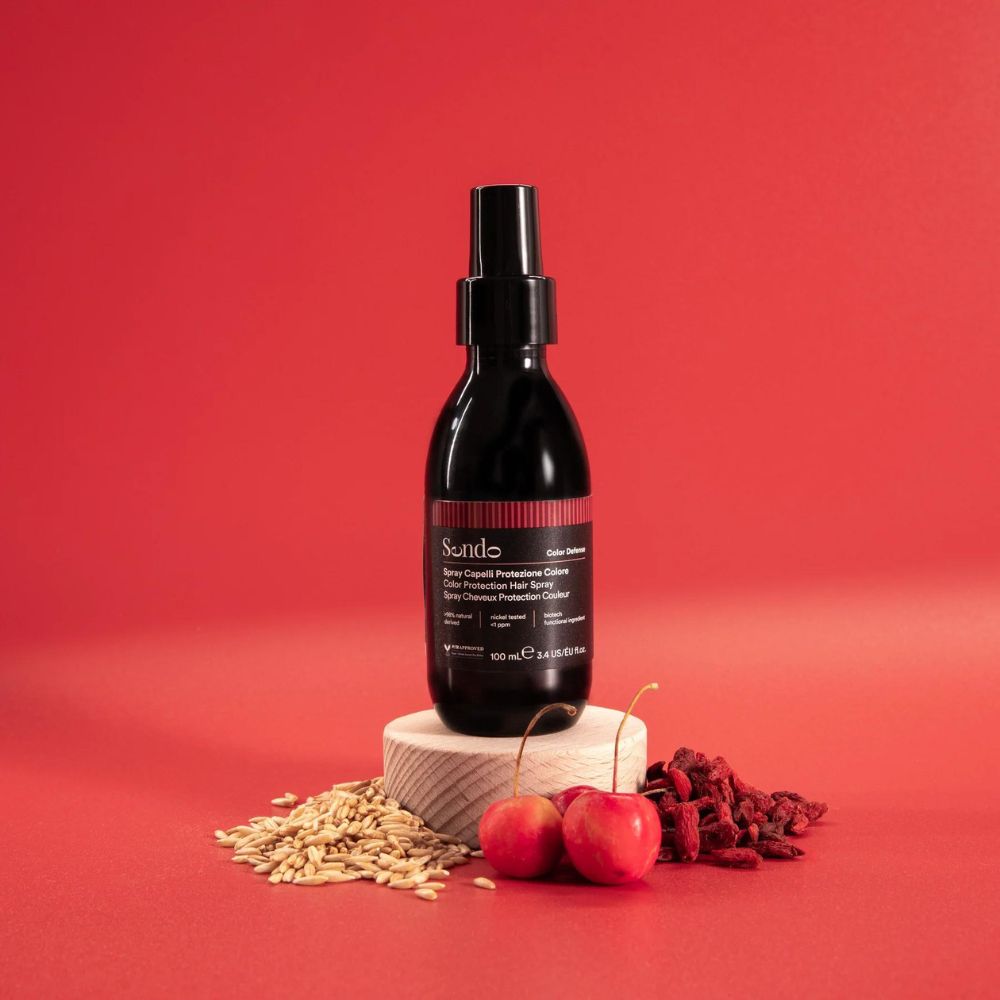
Sendo Color Defense Color Protection Hair Spray 100mLA hair-care product. This product counteracts the damaging action of free radicals, thanks to its antioxidant and natural properties. Made with Biotechnological Tomato Extract, Biotechnological Phytocomplex (grape, apple, lemon, wheat bran), Biological Goji Berry Extract, and Biological Cherry Extract.9,24 £*Shipping: 5,16 £Secure redirect to the provider
-
Inspired Finds Aluminum Alloy Self Defense Arm Shield Portable Security Guard Equipment 2 PcsProtect yourself with confidence using the Aluminum Alloy Self Defense Arm Shield Portable Security Guard Equipment, designed for rapid response in high pressure situations. Crafted from high strength aluminum alloy, this compact shield mounts on...178,99 $*Shipping: 0,00 $Secure redirect to the provider
-
Inspire Essentials DragonGuard Self Defense Bracelet Steel Whip Style EDC Security Accessory with A FaucetCarry confidence in a form that looks as bold as it feels. This self defense bracelet blends striking design with practical readiness, giving you an added sense of security wherever you go. Crafted from durable steel, it offers both style and...40,48 $*Shipping: 0,00 $Secure redirect to the provider



-
What is electrophilic addition in chemistry?
Electrophilic addition is a type of chemical reaction where an electrophile (an electron-deficient species) reacts with a nucleophile (an electron-rich species) to form a new molecule. This reaction typically occurs with unsaturated compounds like alkenes or alkynes, where the pi bond is broken and new sigma bonds are formed. Electrophilic addition reactions are commonly seen in organic chemistry and are important in the synthesis of various organic compounds. **
-
What is the electrophilic addition 6?
Electrophilic addition 6 is a chemical reaction in which an electrophile (an electron-deficient species) adds to a double bond, resulting in the formation of two new single bonds. This type of reaction is commonly seen in the addition of hydrogen halides (such as HCl or HBr) to alkenes. The electrophile (in this case, the hydrogen halide) is attracted to the electron-rich double bond and adds across it, breaking the π bond and forming two new σ bonds. This type of reaction is important in organic chemistry for the synthesis of various organic compounds. **
-
What are nucleophilic and electrophilic reagents?
Nucleophilic reagents are molecules or ions that are electron-rich and are attracted to electron-deficient sites in other molecules. They donate a pair of electrons to form a new covalent bond. Electrophilic reagents, on the other hand, are electron-deficient species that are attracted to electron-rich sites in other molecules. They accept a pair of electrons to form a new covalent bond. Both types of reagents play important roles in organic chemistry reactions by participating in bond formation processes. **
-
Why do aromatics not undergo electrophilic addition?
Aromatics do not undergo electrophilic addition because of their stability and the delocalization of their pi electrons. The delocalized pi electrons in the aromatic ring create a stable electron cloud, making it difficult for electrophiles to attack and break the aromatic system. Instead, aromatics typically undergo electrophilic substitution reactions, where an electrophile substitutes for a hydrogen atom on the aromatic ring, while the aromatic system remains intact. This stability and resistance to electrophilic addition is a key characteristic of aromatic compounds and is a result of their unique bonding and electron distribution. **


Doesn't electrophilic addition always occur during esterification?
No, electrophilic addition does not always occur during esterification. Esterification is a chemical reaction between an alcohol and a carboxylic acid to form an ester and water. This reaction involves the nucleophilic substitution of the hydroxyl group of the alcohol with the carboxyl group of the carboxylic acid, rather than electrophilic addition. The reaction is catalyzed by an acid, such as sulfuric acid or hydrochloric acid, which helps to protonate the hydroxyl group and make it a better leaving group. Therefore, esterification does not involve electrophilic addition. **
What are substitution products in electrophilic aromatic substitution?
Substitution products in electrophilic aromatic substitution are the result of the replacement of a hydrogen atom on an aromatic ring with an electrophile. This process occurs when an electrophile attacks the aromatic ring and forms a new bond, leading to the substitution of the hydrogen atom. The resulting substitution products can be ortho, meta, or para depending on the position of the electrophile relative to the other substituents on the aromatic ring. These substitution products are important in organic chemistry as they can significantly alter the reactivity and properties of the aromatic compound. **
Top-Angebote
Products related to Electrophilic:
-
Uplift Essentials Dragon Self Defense Bracelet Stainless Steel Protection Whip High Yield EDC Security Interaction Hub without FaucetAchieve security optimization with the Dragon SelfDefense Bracelet. Specifically engineered for utility transparency, this highperformance technical tool acts as a vital tool for protection efficiency, neutralizing the limitations of standard...70,97 $*Shipping: 0,00 $Secure redirect to the provider
-
Occidental Leather Stronghold SuspendersThe Occidental Leather 5055 Stronghold Suspension System Tool Belt Suspenders are designed for maximum comfort and support. Featuring a padded yoke these suspenders help relieve pressure on your hips and lower back making them ideal for long hours...149,90 $*Shipping: 0,00 $Secure redirect to the provider
-
Sendo Color Defense Color Protection Hair Mask 200mLA hair mask. This product helps protect hair from oxidation and air pollution, making it softer and easier to comb. Contains Biotechnological Tomato Extract, Biotechnological Phytocomplex (grape, apple, lemon, wheat bran), Biological Extract of Goji Berries and Rogue Oil. Containers with recycled and recyclable packaging.9,21 £*Shipping: 6,86 £Secure redirect to the provider
-
Sendo Color Defense Color Protection Hair Spray 100mLA hair-care product. This product counteracts the damaging action of free radicals, thanks to its antioxidant and natural properties. Made with Biotechnological Tomato Extract, Biotechnological Phytocomplex (grape, apple, lemon, wheat bran), Biological Goji Berry Extract, and Biological Cherry Extract.9,24 £*Shipping: 5,16 £Secure redirect to the provider
-
What is an electrophilic reaction?
An electrophilic reaction is a type of chemical reaction where an electrophile, which is a species that seeks electrons, reacts with a nucleophile, which is a species that donates electrons. The electrophile accepts a pair of electrons from the nucleophile, leading to the formation of a new chemical bond. This type of reaction is common in organic chemistry and is often used to introduce new functional groups onto a molecule. **
-
Is water electrophilic or nucleophilic?
Water is considered nucleophilic because it has a lone pair of electrons on the oxygen atom, which can be donated to an electrophile in a chemical reaction. This lone pair of electrons allows water to act as a nucleophile, meaning it can attack positively charged or electron-deficient species in a chemical reaction. **
-
What is electrophilic addition in chemistry?
Electrophilic addition is a type of chemical reaction where an electrophile (an electron-deficient species) reacts with a nucleophile (an electron-rich species) to form a new molecule. This reaction typically occurs with unsaturated compounds like alkenes or alkynes, where the pi bond is broken and new sigma bonds are formed. Electrophilic addition reactions are commonly seen in organic chemistry and are important in the synthesis of various organic compounds. **
-
What is the electrophilic addition 6?
Electrophilic addition 6 is a chemical reaction in which an electrophile (an electron-deficient species) adds to a double bond, resulting in the formation of two new single bonds. This type of reaction is commonly seen in the addition of hydrogen halides (such as HCl or HBr) to alkenes. The electrophile (in this case, the hydrogen halide) is attracted to the electron-rich double bond and adds across it, breaking the π bond and forming two new σ bonds. This type of reaction is important in organic chemistry for the synthesis of various organic compounds. **
Similar search terms for Electrophilic
-
Inspired Finds Aluminum Alloy Self Defense Arm Shield Portable Security Guard Equipment 2 PcsProtect yourself with confidence using the Aluminum Alloy Self Defense Arm Shield Portable Security Guard Equipment, designed for rapid response in high pressure situations. Crafted from high strength aluminum alloy, this compact shield mounts on...178,99 $*Shipping: 0,00 $Secure redirect to the provider
-
Inspire Essentials DragonGuard Self Defense Bracelet Steel Whip Style EDC Security Accessory with A FaucetCarry confidence in a form that looks as bold as it feels. This self defense bracelet blends striking design with practical readiness, giving you an added sense of security wherever you go. Crafted from durable steel, it offers both style and...40,48 $*Shipping: 0,00 $Secure redirect to the provider
-
Uplifted Finds Aero Fortress Octagonal Maternity & Play Sanctuary Aero Fortress Octagonal Maternity & Play SanctuaryProvide your pet with a secure, private haven with the AeroFortress Octagonal Sanctuary. Whether you are managing a cats maternity cycle, providing a safe recovery zone for a postsurgical pet, or creating a controlled play area for energetic...208,97 $*Shipping: 0,00 $Secure redirect to the provider
-
Uplift Essentials Dragon Self Defense Bracelet Stainless Steel Protection Whip High Yield EDC Security Interaction Hub with FaucetAchieve security optimization with the Dragon SelfDefense Bracelet. Specifically engineered for utility transparency, this highperformance technical tool acts as a vital tool for protection efficiency, neutralizing the limitations of standard...80,97 $*Shipping: 0,00 $Secure redirect to the provider
-
What are nucleophilic and electrophilic reagents?
Nucleophilic reagents are molecules or ions that are electron-rich and are attracted to electron-deficient sites in other molecules. They donate a pair of electrons to form a new covalent bond. Electrophilic reagents, on the other hand, are electron-deficient species that are attracted to electron-rich sites in other molecules. They accept a pair of electrons to form a new covalent bond. Both types of reagents play important roles in organic chemistry reactions by participating in bond formation processes. **
-
Why do aromatics not undergo electrophilic addition?
Aromatics do not undergo electrophilic addition because of their stability and the delocalization of their pi electrons. The delocalized pi electrons in the aromatic ring create a stable electron cloud, making it difficult for electrophiles to attack and break the aromatic system. Instead, aromatics typically undergo electrophilic substitution reactions, where an electrophile substitutes for a hydrogen atom on the aromatic ring, while the aromatic system remains intact. This stability and resistance to electrophilic addition is a key characteristic of aromatic compounds and is a result of their unique bonding and electron distribution. **
-
Doesn't electrophilic addition always occur during esterification?
No, electrophilic addition does not always occur during esterification. Esterification is a chemical reaction between an alcohol and a carboxylic acid to form an ester and water. This reaction involves the nucleophilic substitution of the hydroxyl group of the alcohol with the carboxyl group of the carboxylic acid, rather than electrophilic addition. The reaction is catalyzed by an acid, such as sulfuric acid or hydrochloric acid, which helps to protonate the hydroxyl group and make it a better leaving group. Therefore, esterification does not involve electrophilic addition. **
-
What are substitution products in electrophilic aromatic substitution?
Substitution products in electrophilic aromatic substitution are the result of the replacement of a hydrogen atom on an aromatic ring with an electrophile. This process occurs when an electrophile attacks the aromatic ring and forms a new bond, leading to the substitution of the hydrogen atom. The resulting substitution products can be ortho, meta, or para depending on the position of the electrophile relative to the other substituents on the aromatic ring. These substitution products are important in organic chemistry as they can significantly alter the reactivity and properties of the aromatic compound. **
* All prices are inclusive of VAT and, if applicable, plus shipping costs. The offer information is based on the details provided by the respective shop and is updated through automated processes. Real-time updates do not occur, so deviations can occur in individual cases. ** Note: Parts of this content were created by AI.